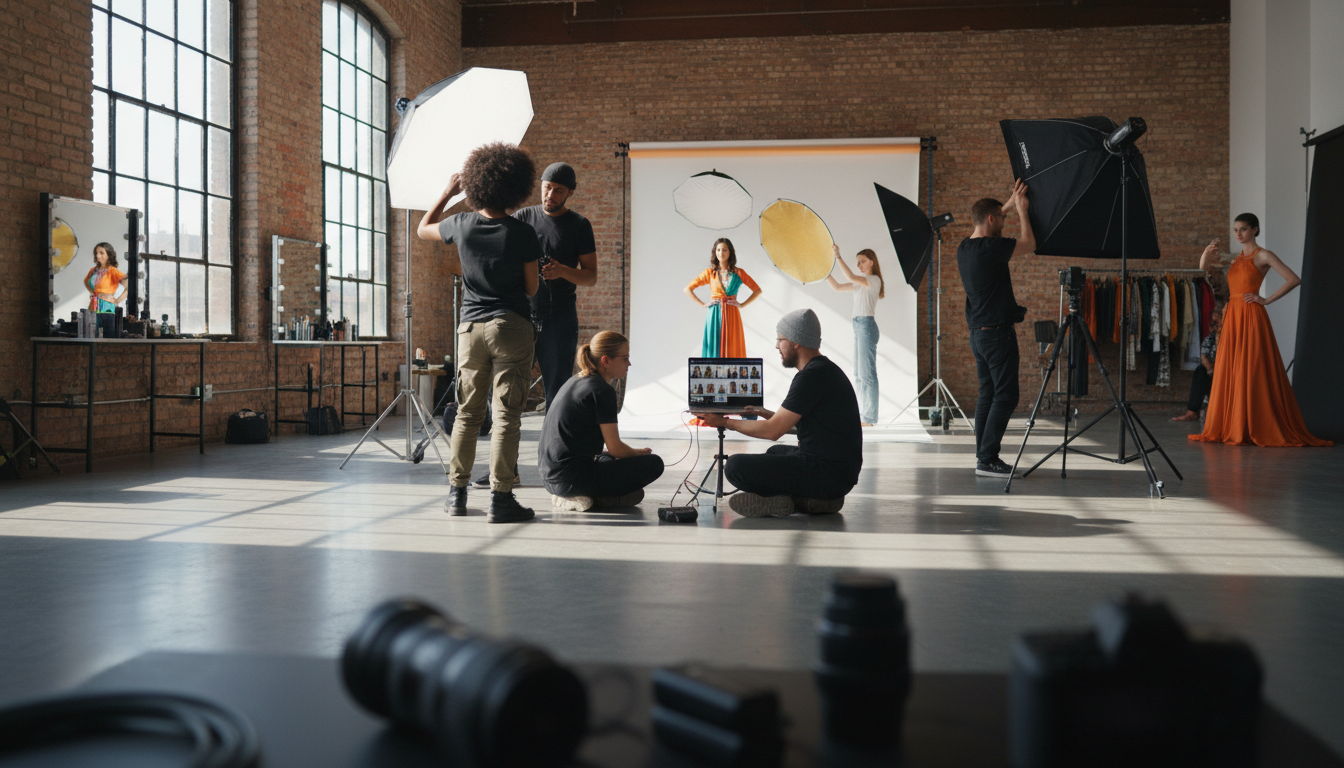
Common Misconceptions About the Modeling Industry


The Glamour Myth
One of the most common misconceptions about the modeling industry is that it's all about glitz and glamour. While it's true that models often appear in high-fashion settings and wear stunning outfits, the reality is that the industry requires a tremendous amount of hard work and dedication. Models often face long hours, grueling travel schedules, and a need to maintain peak physical condition.
Behind the scenes, the life of a model can be quite demanding. They must be prepared for early morning call times, last-minute changes, and the pressure to constantly present their best selves. It's not uncommon for models to work 12-hour days, sometimes without breaks.

Age and Diversity
Another misconception is that modeling is only for the young and traditionally attractive. The industry has evolved to embrace diversity, with models of all ages, sizes, and ethnicities now being celebrated. Agencies and brands are increasingly looking for unique and diverse faces that can represent a broader audience.
In recent years, the rise of social media has also allowed for more diverse representation. Many models have built successful careers by leveraging platforms like Instagram to showcase their unique looks and personalities, irrespective of traditional industry standards.

Compensation Realities
Many people believe that all models earn substantial incomes. While top models may indeed command high fees, the reality for most is quite different. Many models work freelance and face inconsistent income streams, often having to juggle multiple jobs to make ends meet.
It's important to understand that compensation in the modeling industry varies widely based on factors such as experience, location, and the type of modeling work. Aspiring models should be prepared for the financial challenges that may arise early in their careers.

The Role of Agencies
Modeling agencies play a crucial role in a model's career, but there's a misconception that they handle everything for the model. While agencies do provide support, guidance, and job opportunities, models must also take initiative and actively participate in their career development.
Models need to build their portfolios, network with industry professionals, and continually hone their skills. Success in the modeling industry often requires a proactive approach and a willingness to seize opportunities as they arise.

The Importance of Professionalism
Professionalism is key in the modeling industry, yet it is often underestimated. Models must be punctual, reliable, and adaptable to the various demands of shoots and events. They need to interact with photographers, designers, and clients, maintaining a positive and cooperative attitude at all times.
A strong work ethic and the ability to handle criticism gracefully are essential traits for models looking to thrive in the competitive world of fashion and advertising.